Understanding the Core Challenge
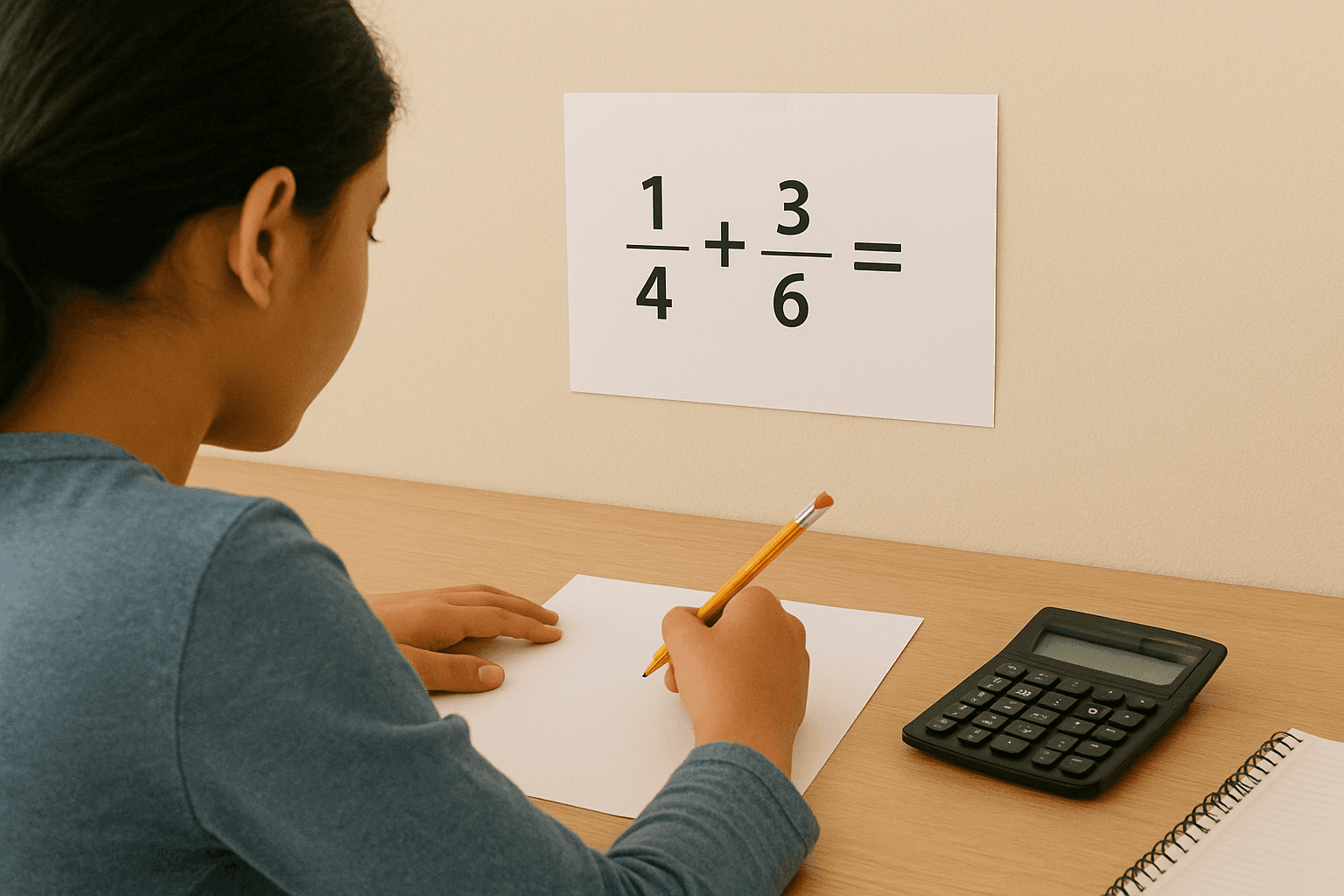
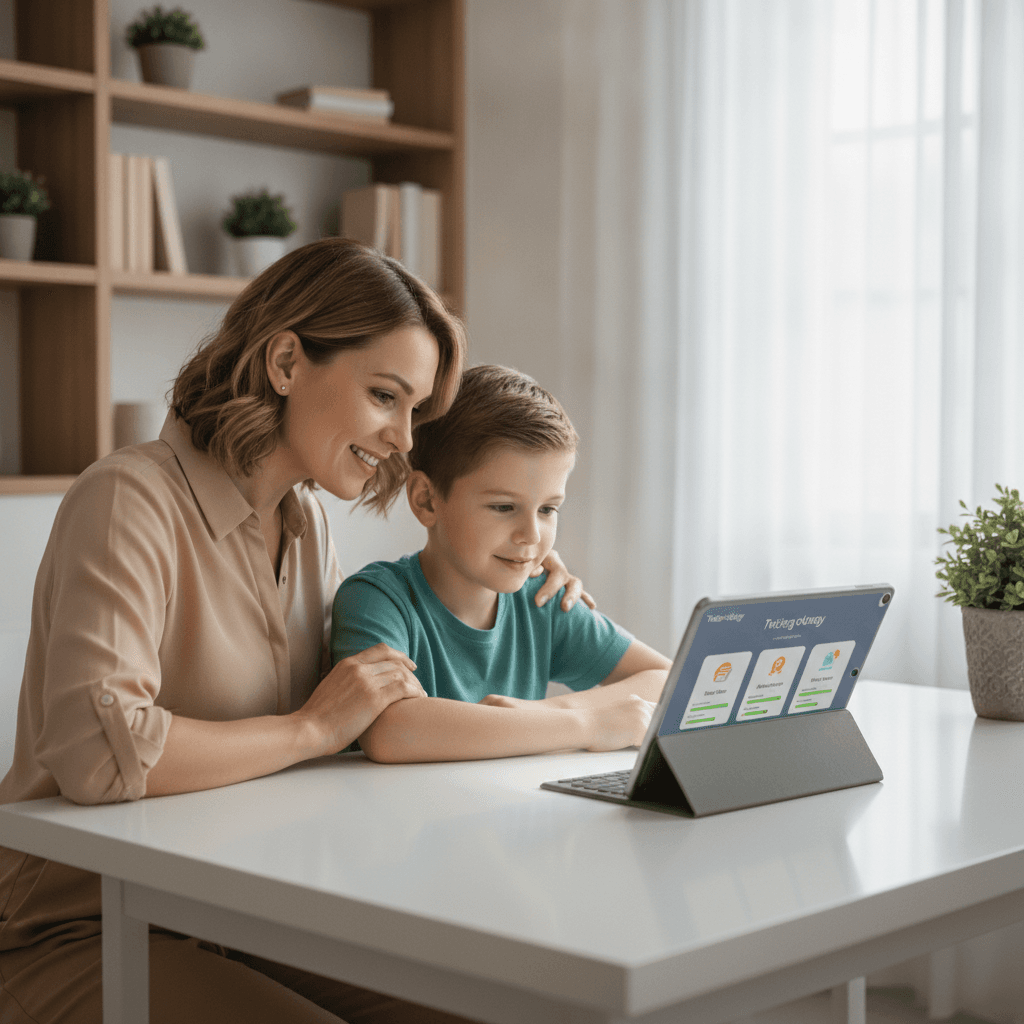
Quick Answer A first online tutoring session is primarily a diagnostic and rapport-building meeting, not a full-scale lesson. The tutor's goal is to understand your child's learning style, identify knowledge gaps, and establish a comfortable learning environment. As emphasized by the OECD, such personalized feedback loops are crucial for effective learning. Key takeaways: prepare your tech in advance, encourage your child to ask questions, and focus on building comfort, not on performance. What Is the Main Goal of a First Online Tutoring Session? How Should Parents and Students Prepare for a Tutoring Trial Lesson? A Step-by-Step Walkthrough: What Happens in the Demo Class? What Is the Standard Technical Setup for an Online Class? How Do Tutors Assess a Student’s Needs in the First Session? What Happens After the First Online Tutoring Session? How Does a Trial Session Compare to a Regular Tutoring Session? Frequently Asked Questions What Is the Main Goal of a First Online Tutoring Session? The primary goal of a first online tutoring session is not immediate academic instruction but rather assessment and connection. It's a foundational meeting where the tutor, student, and often the parent can determine if they are a good fit. This initial interaction focuses on building rapport, understanding the student's unique learning profile, and setting the stage for future success. It's less about covering a chapter and more about charting the course for the entire learning journey. During this session, our tutors concentrate on three key areas: Building Rapport: A student who feels comfortable and connected with their tutor is more likely to be engaged and receptive to learning. The initial moments are spent on introductions and light conversation to create a welcoming and low-pressure environment. Diagnostic Assessment: The tutor needs to establish a baseline of the student's current knowledge and skills. This isn't a formal test but a series of carefully chosen questions and activities designed to reveal strengths, weaknesses, and any specific conceptual misunderstandings. Understanding Learning Style: Every child learns differently. The tutor will observe whether the student is a visual, auditory, or kinesthetic learner and adapt their teaching methods accordingly. This principle of differentiated instruction is central to effective, personalized education. Think of the first session as a consultation. It provides the necessary data for the tutor to create a customized lesson plan that aligns with the student's specific needs and school curriculum, ensuring that subsequent sessions are as productive as possible. How Should Parents and Students Prepare for a Tutoring Trial Lesson? Proper preparation for a tutoring trial lesson ensures that the time is used effectively for assessment and connection, rather than troubleshooting. By taking a few simple steps beforehand, you can create a smooth and positive experience for your child. The goal is to minimize distractions and technical hurdles so the focus remains entirely on the student-tutor interaction. Here’s a checklist for parents and students to run through before the session begins: Technology Check: Log in to the tutoring platform 10-15 minutes early. Test the internet connection, webcam, and microphone. Ensure audio is clear and the camera is positioned correctly. This prevents the first few minutes from being wasted on technical issues. Create a Quiet Learning Space: Designate a study area that is free from distractions like television, pets, or family conversations. A quiet environment helps the student concentrate and engage fully with the tutor. Gather Necessary Materials: Have a recent report card, relevant textbooks, recent homework assignments, or a specific topic of difficulty handy. This gives the tutor valuable context and a concrete starting point for their diagnostic assessment. Set Clear Expectations with Your Child: Explain the purpose of the session. Let your child know it's a chance to meet their new tutor, see how online learning works, and ask questions. Emphasize that it's not a test and that the goal is to get to know each other. This helps reduce any anxiety your child might be feeling. Prepare a List of Questions: As a parent, you may have questions about the tutor's experience, teaching philosophy, or how progress is tracked. Have these ready to discuss at the end of the session. Key Takeaway: The most important preparation step is framing the session positively for your child. Your encouragement helps them see it as an opportunity to get helpful support, not as a punishment for academic struggles. A Step-by-Step Walkthrough: What Happens in the Demo Class? An online tutoring demo class follows a structured yet flexible format designed to maximize the limited time and achieve the core goals of assessment and rapport-building. While the exact flow can vary based on the student's age and subject, most sessions adhere to a general framework. This structure ensures that both the student and tutor gain a clear understanding of the path forward. Here is a typical step-by-step breakdown of a 45 to 60-minute trial session: Step 1: Introductions and Icebreakers (5-10 minutes): The session begins with warm introductions. The tutor will introduce themselves and ask the student about their hobbies, interests, and what they enjoy about school. This icebreaker phase is crucial for easing anxiety and building a human connection, making the student feel seen as a person, not just a learner. Step 2: Goal and Subject Discussion (5-10 minutes): The tutor will talk to the student (and parent, if present) about their goals. Why are they seeking tutoring? What do they find challenging about a subject like online math? What do they hope to achieve? This conversation helps the tutor understand the student's motivations and pain points. Step 3: Diagnostic Activity (15-20 minutes): This is the core of the session. The tutor will present a few carefully selected problems or a short activity related to the subject. This is a form of formative assessment. For example, in a math session, this might involve solving a few multi-step equations. In a writing session, it could be brainstorming ideas for a short paragraph. The tutor is observing the student's thought process, not just the final answer. Step 4: The "Mini-Lesson" (10-15 minutes): Based on the diagnostic activity, the tutor will identify a small, specific concept to teach. They will introduce the concept, explain it in a clear way, and perhaps demonstrate it on the interactive whiteboard. This shows the student the tutor's teaching style and gives them a small, immediate win, boosting their confidence. Step 5: Feedback and Next Steps (5 minutes): The tutor will provide immediate, constructive feedback on the activity. They will praise the student's effort and highlight their strengths before gently pointing out areas for improvement. The session concludes with the tutor outlining a potential learning plan and explaining what future sessions would look like. Step 6: Parent Q&A (5 minutes): The final few minutes are reserved for any questions the parent might have regarding scheduling, curriculum alignment, or progress reporting. What Is the Standard Technical Setup for an Online Class? The standard technical setup for an online class is designed to be accessible, and you likely already have everything you need. There is no need for expensive, specialized equipment. A reliable and smooth technical experience is vital for effective online learning, as it allows the tutor and student to focus on the educational content without interruption. Here are the essential components for a successful online tutoring session: A Reliable Computing Device: A desktop computer, laptop, or a modern tablet is sufficient. While smartphones can work in an emergency, a larger screen is highly recommended as it makes it easier to view the interactive whiteboard and shared documents. Stable Internet Connection: A consistent broadband internet connection is the most critical requirement. A minimum speed of 10-15 Mbps is recommended for a smooth video conferencing experience. A wired Ethernet connection is often more stable than Wi-Fi. Webcam: A built-in or external webcam is essential. Face-to-face interaction helps build rapport and allows the tutor to pick up on non-verbal cues, such as when a student looks confused or disengaged. Headset with a Microphone: A headset with a built-in microphone is strongly advised. It minimizes background noise, prevents echo, and ensures that the student and tutor can hear each other clearly. This is far superior to using the computer's built-in speakers and mic. The Tutoring Platform: Before the session, you will receive a link to the virtual classroom. At Tutor-ology, we use a custom platform with features like a two-way interactive whiteboard, document sharing, and session recording. It's typically accessed directly through a web browser, with no complex software installation required. Before the first session, it's always a good idea to perform a "tech check" to ensure all components are working together seamlessly. Most tutoring services, including ours, offer support to help you get set up correctly. How Do Tutors Assess a Student’s Needs in the First Session? Tutors assess a student's needs in the first session using a blend of conversational diagnostics, targeted academic questions, and observational techniques. This process, known as formative assessment, is dynamic and multi-faceted, allowing the tutor to build a comprehensive profile of the learner. It's a far more nuanced approach than simply administering a standardized test. Our tutors are trained to use several methods to gauge a student's abilities and learning habits: Structured Conversation: The assessment begins the moment the conversation starts. Tutors ask open-ended questions like, "What part of this topic do you find most confusing?" or "Can you tell me how you tried to solve this problem before?" The student's vocabulary, confidence, and ability to articulate their thought process provide a wealth of information. Targeted Problem-Solving: Tutors present a small set of problems that target foundational concepts. For instance, if a student is struggling with algebra, the tutor might first check their understanding of fractions and integers. This helps identify if the root issue lies in prerequisite knowledge gaps. This approach aligns with educational research from institutions like Khan Academy, which emphasizes the importance of mastering fundamentals. Observation of Process: The tutor pays close attention to *how* a student solves a problem, not just the result. Do they rush? Do they work systematically? Do they double-check their work? These observations reveal a student's metacognitive skills—their ability to think about their own thinking—which is a key indicator of a successful learner. Review of Past Work: If available, reviewing recent homework, tests, or school reports can provide immediate insight into a student's struggles. This helps the tutor align their approach with the specific curriculum and expectations of the student's school. By combining these methods, the tutor triangulates the data to create a precise and empathetic understanding of the student's needs. This initial assessment is the blueprint for creating a truly personalized learning plan that will guide all future sessions. What Happens After the First Online Tutoring Session? Following the first online tutoring session, the focus shifts from assessment to action through detailed feedback and collaborative planning. This post-session phase is critical for establishing a clear path forward and ensuring parents are fully informed and involved. It solidifies the partnership between the tutor, the student, and the family. Here’s what you can typically expect to happen after the online tutoring demo class concludes: Immediate Tutor Feedback: The tutor will share their initial observations with the parent. This verbal report usually covers the student's strengths, areas identified for development, their level of engagement during the session, and their general disposition towards the subject. A Detailed Written Report: Within 24-48 hours, you should receive a more formal diagnostic report. This document summarizes the findings from the trial lesson and outlines a proposed learning plan. It will often include: A summary of concepts that the student has mastered. A list of specific knowledge or skill gaps to be addressed. Proposed short-term and long-term learning goals. A recommendation on the frequency and duration of future sessions. Collaborative Goal Setting: The learning plan is not set in stone. We encourage parents to review the report and discuss it with the academic coordinator or tutor. This is your opportunity to provide input, align the plan with school requirements, and ensure the goals are realistic and meaningful for your child. Scheduling and Formal Enrollment: Once you are satisfied with the proposed plan and the tutor match, the next step is to formalize the schedule and complete the enrollment process. At Tutor-ology, we offer flexible scheduling to accommodate different time zones and family commitments. You can then book a free trial class or move forward with regular sessions. The period after the trial lesson is just as important as the session itself. It is where the diagnostic insights are translated into a strategic plan for academic growth, ensuring that every subsequent session is purposeful and effective. How Does a Trial Session Compare to a Regular Tutoring Session? A trial session and a regular tutoring session serve different primary purposes, and understanding this distinction helps set the right expectations. The trial is a diagnostic and introductory meeting, while a regular session is focused on instruction and curriculum progression. Both are vital components of a successful tutoring journey, but they operate with different objectives and workflows. Here is a comparison table that highlights the key differences: Feature Trial / Demo Session Regular Tutoring Session Primary Goal Assessment, rapport building, and establishing a fit. Instruction, concept mastery, and curriculum progression. Pacing Flexible and exploratory; follows the student's lead. Structured and goal-oriented; follows the personalized learning plan. Content Focus Broad, diagnostic questions covering foundational concepts. Deep dive into specific topics from the learning plan or school curriculum. Activities Icebreakers, open-ended problem-solving, "mini-lesson." Direct instruction, guided practice, active recall exercises, homework help. Outcome A diagnostic report and a proposed learning plan. Completed lesson objectives and measurable progress on learning goals. Parent Involvement Often present for the beginning or end to ask questions. Receives regular progress reports but is typically not in the session. Frequently Asked Questions How long is a typical online tutoring demo class? A typical online tutoring demo class lasts between 45 and 60 minutes. This duration provides enough time for introductions and rapport-building, a meaningful diagnostic activity to assess the student's needs, a short teaching demonstration, and a brief wrap-up with the parent for feedback and questions. It's designed to be comprehensive without overwhelming the student. Should a parent be present during the first session? We recommend parents be present for the first 5-10 minutes to help with the technical setup and meet the tutor, and for the last 5 minutes to hear the tutor's initial feedback. During the core part of the session, it's often best for the student to interact one-on-one with the tutor to build an independent connection and feel comfortable making mistakes. What if my child is shy or anxious? Our tutors are experienced in working with shy or anxious children. They are trained to create a warm, low-pressure environment. The first session focuses heavily on icebreakers and talking about the child's interests to build comfort before diving into academics. The one-on-one online format can also be less intimidating for some students than a traditional classroom. Do we need to pay for the trial lesson? Most reputable online tutoring services offer a free or heavily discounted trial lesson. At Tutor-ology, we provide a completely free demo class with no obligation. We believe it's essential for you and your child to experience our platform and teaching style to make an informed decision and ensure the tutor is a perfect fit for your child's learning journey. What subjects can my child try during a demo? You can typically request a demo for any core academic subject you are interested in, such as Math, Science, or English. It is best to choose the subject where your child needs the most support. This allows the tutor to conduct a relevant diagnostic assessment and demonstrate how they would approach teaching that specific material, such as our academic English programs. How will I know if the tutor is a good fit for my child? A good fit is about more than just subject matter expertise. Observe the interaction during the trial. Did the tutor connect with your child on a personal level? Was your child engaged and asking questions? Did the tutor's teaching style seem to match your child's learning style? After the session, ask your child how they felt. Their comfort and enthusiasm are the strongest indicators. What if we have technical difficulties during the session? Technical difficulties can occasionally happen. Our tutors are trained to handle common issues. If a problem arises, they will guide you through simple troubleshooting steps. If the issue cannot be resolved quickly and it significantly disrupts the session, we are always happy to reschedule the demo class at no cost to ensure you have a complete and positive experience. Is the curriculum aligned with my child's school? Yes, curriculum alignment is a key part of our process. During and after the first session, the tutor will ask about your child’s school curriculum (e.g., CBSE, Cambridge, Common Core, etc.). The personalized learning plan is then designed to supplement and reinforce what your child is learning in school, helping with homework, test preparation, and filling any foundational gaps. Ready to see the difference a personalized tutor can make? Book a free trial class with Tutor-ology today and take the first step towards academic confidence.
Key Takeaway: By teaching kids to reframe mistakes as valuable stepping stones rather than failures, parents help build resilience, self-compassion, and the courage to take on life's greatest challenges.





Comments